
Tensile testing is the only way to validate safety margins and ensure load stability

Tensile testing is the only way to validate safety margins and ensure load stability

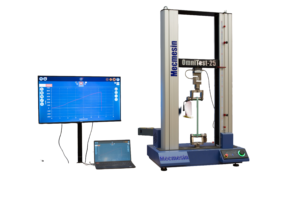
Tall Mecmesin force-testing frame with a load cell and a computer monitor showing graphs and measurements.

How often does your QA team audit incoming strapping materials? Tensile testing is the only way to validate safety margins and ensure load stability.

🔬 Material Verification: Why Lab Testing will always trump PET Strapping Datasheets

We recently conducted a destructive tensile test on a batch of 15.5mm x 0.6mm Polyester (PET) strapping from a new customer.

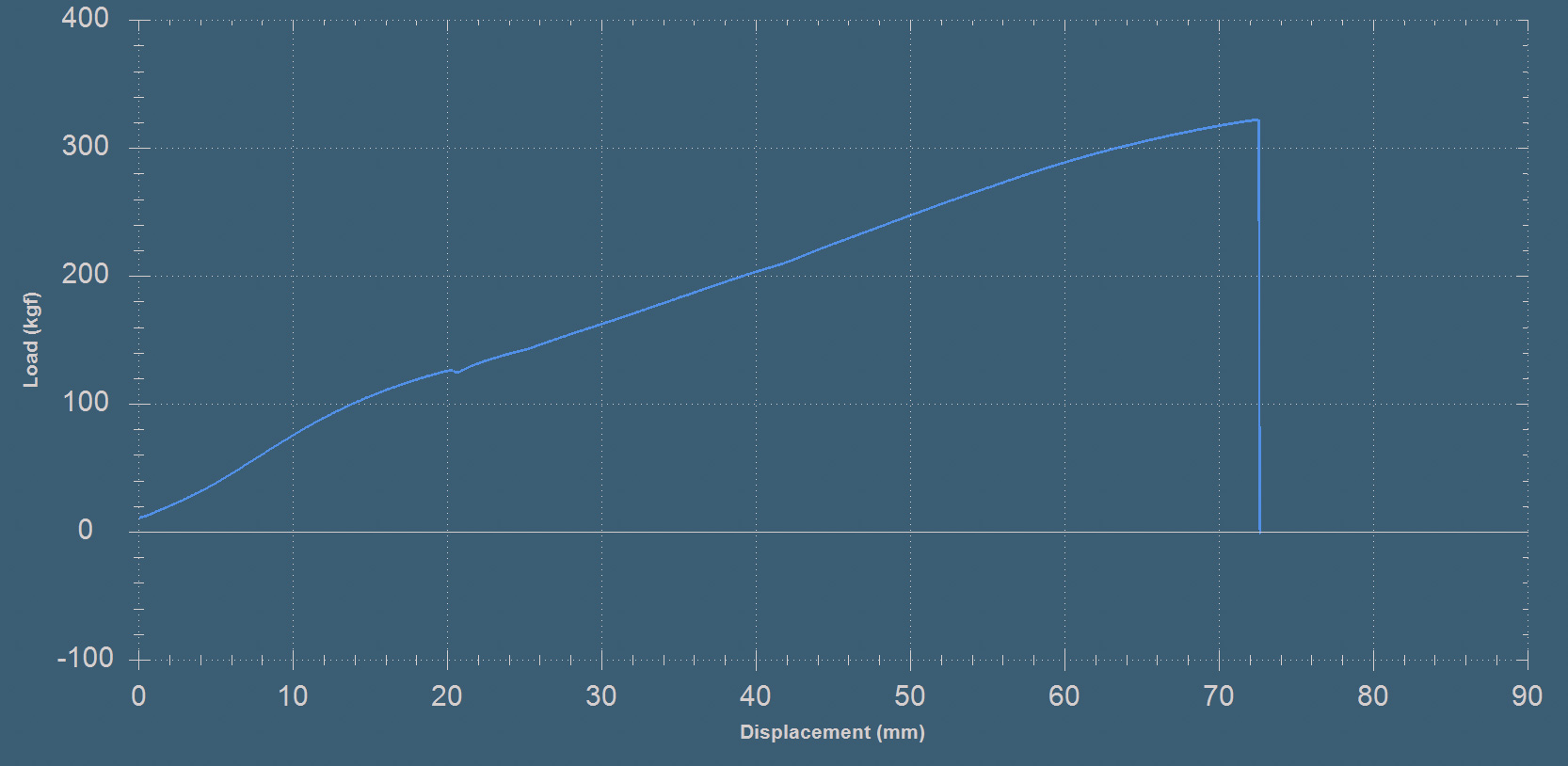
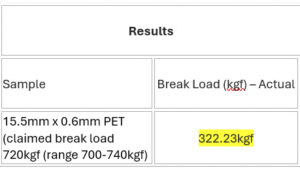
According to the supplier’s technical data sheet they had been given, the material specified a nominal break load of 720 kg. However, during tensile testing, the strap reached ultimate tensile strength and suffered catastrophic failure at just 322 kg.

For high-load bundling, timber securing, or logistics strapping, a deviation this severely compromises load containment. It directly risks joint efficiency failure and structural shifts during transit.

Our Technical Assessment: Relying solely on a supplier’s DataSheet without scientific verification is a major risk for high-stress applications as material integrity cannot be assumed.


IOSH Managing Safely Success

We are thrilled to announce that seven of our team members officially passed the IOSH Managing Safely 3 day course last week!

This globally recognised qualification equips our team with practical tools to identify hazards, assess workplace risks, and implement robust safety controls across our site and our customer’s sites.

Investing in our people is the best way to ensure everyone goes home safely at the end of every shift.

With seven more certified safety leaders, we are proud to have ten IOSH trained team members at our Sheffield site, strengthening our daily operations:

  • Sharper Risk Management: Spotting potential hazards early and taking proactive action.
  • Safer Systems of Work: Raising standards for machinery maintenance, installs and servicing.
  • Stronger Safety Culture: Championing best-practice to protect everyone on site.

Thank you for your hard work and commitment to keeping our workplaces safe.